Classification as the Second Erasure
Maps as systems of authority
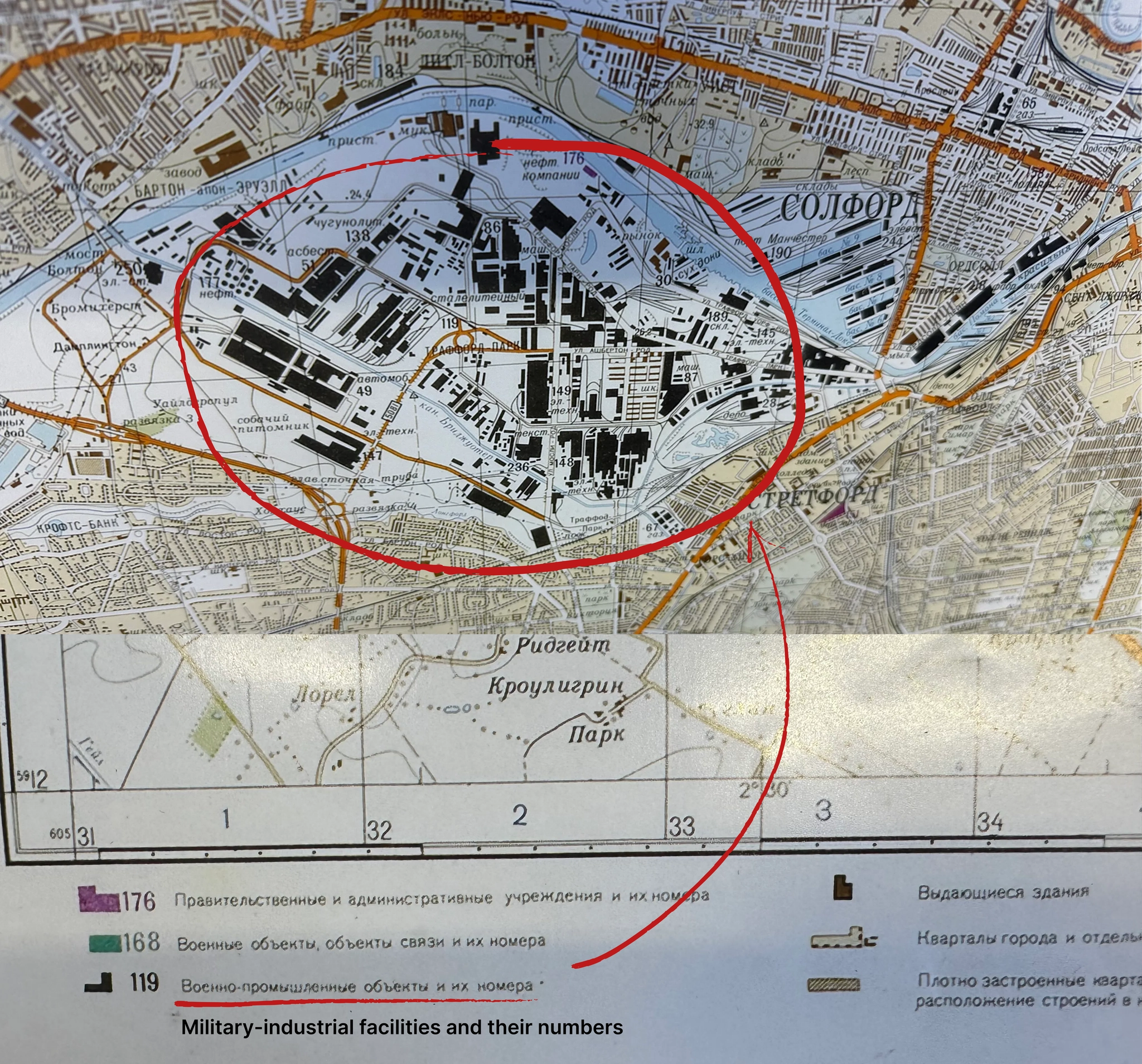
The map gave me the first concrete problem of the project: representation is not passive. It can prepare a place to be understood, used, governed or attacked from the outside. Rankin (2016) argues that maps do not simply describe territory; they place it within a system of knowledge and authority. A map can look neutral because it is accurate, but accuracy does not make it innocent. The Soviet survey helped me understand how technical representation can carry political intention without needing to announce it (Figure 2).
The same mechanism, applied to culture
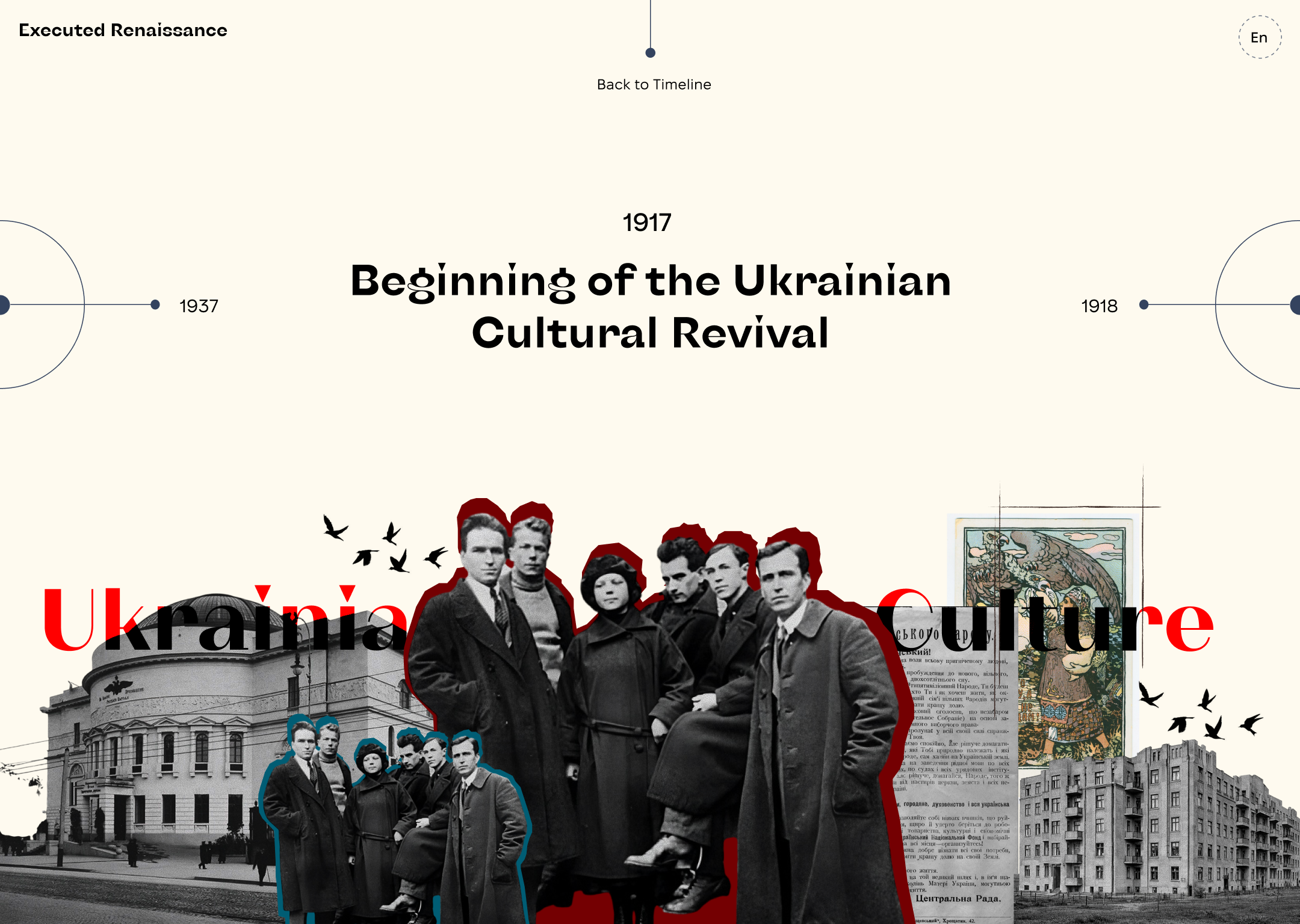
The same mechanism, slower and quieter, shaped Ukrainian culture for most of the twentieth century. The issue was not only that Ukrainian writers and artists were killed in the 1930s. The deeper issue is that Ukrainian culture had already been placed inside a Russian/Soviet frame before many readers ever encountered it. In that frame, Ukraine appears as local, rural, folkloric and secondary. Its modernism becomes difficult to recognise as European modernism because the category has already pushed it somewhere else.
Stereotype as a printing plate
Benjamin's discussion of stereotype helped me make this more precise. She returns to the printing-trade meaning of stereotype: a fixed metal plate used to reproduce identical copies (Benjamin, 2019, p. 63). The point is useful because it moves the argument away from individual prejudice and towards systems. A stereotype is not just one false idea. It is a mechanism that keeps producing the same false idea until it starts to look normal. Benjamin writes that default settings can take on "a life of their own", gaining an appearance of objectivity that makes them difficult to challenge (Benjamin, 2019, p. 64).
For this project, the stereotype-plate is the repeated image of Ukrainian culture as dependent on Russia. It was produced through textbooks, publishing decisions, museum captions, political language and later academic categories. Censorship is too simple a word for it. Under korenizatsiya, many Ukrainian artists and intellectuals were allowed to work in Ukrainian, and some supported the communist revolution. The contradiction was that they wanted to be Soviet without becoming culturally Russian. When Ukrainian distinctiveness started to look like a threat, the state stopped tolerating it.
Historical substance
Tokarsky (2021) gives the historical substance. The Executed Renaissance was not a small local episode. It included Mykola Khvylovy, Les Kurbas, Mykola Kulish, Valerian Pidmohylny, Mykhailo Semenko and Mykola Zerov, whose work connected literature, theatre, criticism and avant-garde visual culture. Tokarsky also shows that the erasure did not end with the executions. Major modernist anthologies have continued either to omit Ukrainian modernism or place it under "Russian" (Tokarsky, 2021, pp. 6-7).
Two erasures
The first erasure was physical. The second is classificatory. The prototype is built to answer the second one. Stalin killed these people; the archive that came after misplaced them. Both moves have to be visible together, or the project becomes only a memorial.
References
Benjamin, R. (2019) Race After Technology: Abolitionist Tools for the New Jim Code. Cambridge: Polity.
Rankin, W. (2016) After the Map: Cartography, Navigation, and the Transformation of Territory in the Twentieth Century. Chicago: University of Chicago Press.
Tokarsky, B. (2021) The Un/Executed Renaissance: Ukrainian Soviet Modernism and Its Legacies. Essays of the Forum Transregionale Studien, 8/2021. Berlin: Forum Transregionale Studien. Available at: **https://doi.org/10.25360/01-2021-00016** (Accessed: 14 March 2026).